
In the modern business ecosystem, organizations are constantly looking for ways to engage stakeholders, strengthen brand identity, and foster meaningful professional relationships. One of the most powerful tools to achieve these goals is Corporate Event Management. From high-level conferences and product launches to employee engagement programs and annual meetings, corporate events have become strategic platforms that influence brand perception and business growth.
As companies expand across cities and industries, the need for professionally managed corporate events has increased significantly. Businesses today expect seamless execution, innovative concepts, and measurable outcomes—all delivered with precision and consistency.
Understanding Corporate Event Management in Today’s Business World
Corporate Event Management refers to the planning, coordination, execution, and evaluation of events designed specifically for business purposes. These events are structured to align with organizational goals, whether it is internal communication, brand promotion, client acquisition, or employee motivation.
Unlike social or private events, corporate events demand strict timelines, professional aesthetics, compliance protocols, and detailed reporting. Every element—from venue selection to audiovisual production—must reflect the organization’s values and objectives.
Why Corporate Events Are More Important Than Ever
In an era dominated by digital communication, corporate events offer something unique: real-time human interaction. Well-managed events help businesses:
Build trust with clients and partners
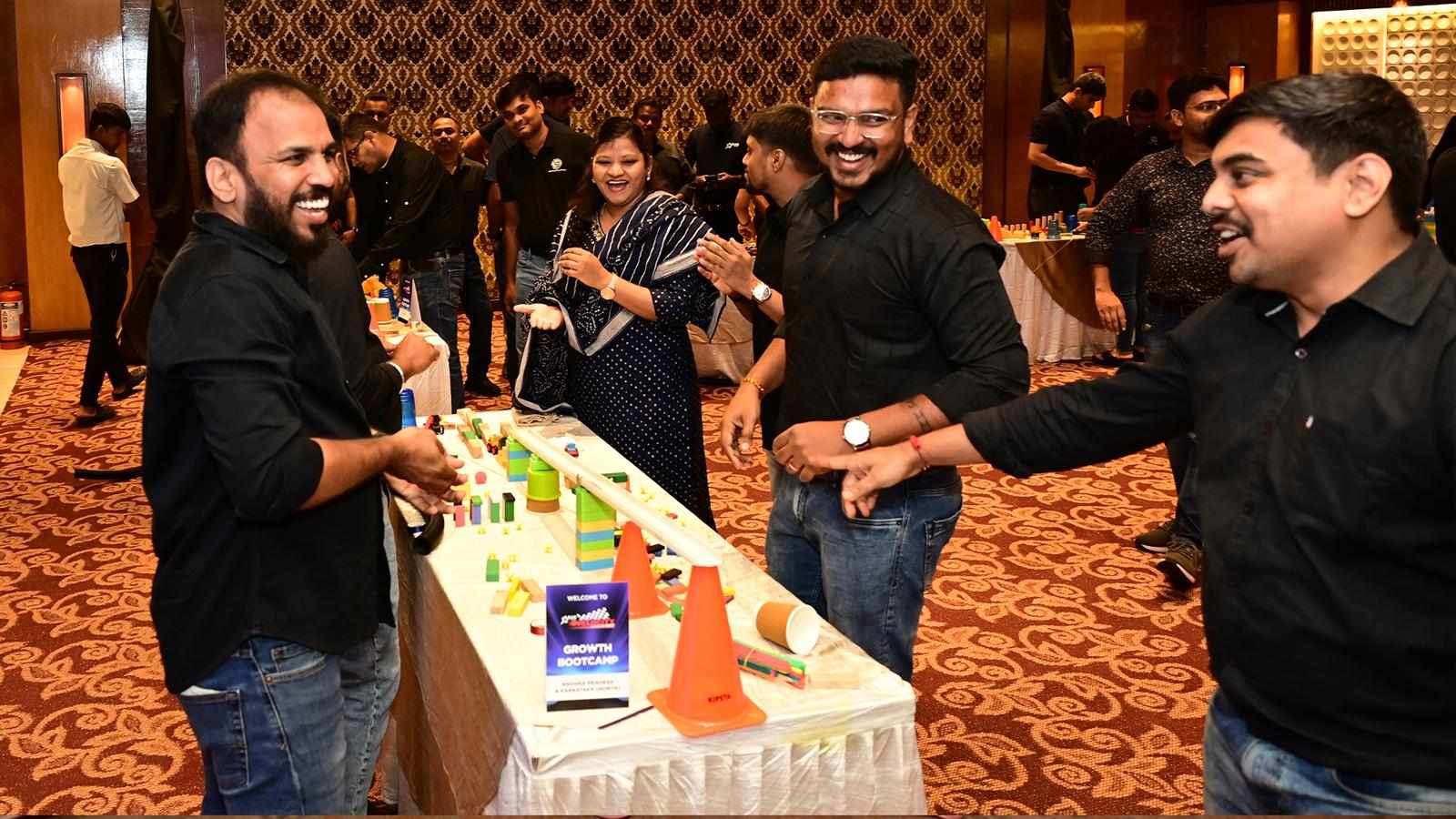
Strengthen internal culture and teamwork
Enhance brand visibility and recall
Communicate leadership vision effectively
Generate qualified leads and opportunities
Professional Corporate Event Management ensures that these benefits are achieved without operational stress, allowing companies to focus on networking and strategic outcomes rather than logistics.
Corporate Event Planning Across Major Indian Cities
India’s corporate landscape is diverse, and each city brings its own expectations, audience behavior, and logistical challenges. Experienced event planners understand how to adapt event strategies accordingly.
For instance, Corporate Event Management In Delhi often involves large-scale conferences, government-linked events, and formal corporate gatherings where protocol and precision are critical. Delhi-based events typically require meticulous coordination, high-end venues, and a strong understanding of corporate etiquette.
In contrast, businesses seeking a Corporate Event Planner In Mumbai often prioritize creativity, premium production quality, and fast-paced execution. Mumbai’s corporate events are known for their dynamic energy, brand-focused storytelling, and innovative event formats.
Similarly, companies collaborating with a Corporate Event Management Company In Hyderabad usually focus on technology-driven conferences, global summits, and knowledge-sharing platforms. Hyderabad’s growing IT and startup ecosystem has created a strong demand for professional event solutions that combine scale with technical sophistication.
Organizations looking for a reliable Corporate Event Planner In Pune benefit from planners who understand the city’s balance of IT, manufacturing, and corporate culture. Events in Pune often emphasize employee engagement, leadership communication, and long-term brand building.
Meanwhile, a trusted Corporate Event Company In Delhi plays a vital role in executing national-level meetings, policy-driven conferences, and multi-city corporate roadshows with consistency and compliance.
Core Components of Successful Corporate Event Management
Strategic Planning and Objective Setting
Every successful corporate event begins with a clear purpose. Whether the objective is brand positioning, product awareness, or team alignment, effective Corporate Event Management ensures that the event strategy supports measurable business goals.
Concept Development and Theme Design
A strong event concept brings coherence and identity to the experience. Themes help communicate messages clearly and make the event memorable for attendees. Professional planners ensure that the theme aligns with brand values and audience expectations.
Venue Selection and Vendor Coordination
Choosing the right venue is critical. Accessibility, capacity, infrastructure, and ambiance all play a role in shaping the attendee experience. Corporate event professionals manage vendor negotiations, technical partners, decorators, and catering teams to ensure seamless coordination.
On-Ground Execution and Risk Management
From registrations and stage management to audiovisual control and guest handling, flawless execution is the backbone of successful Corporate Event Management. Contingency planning and real-time problem-solving ensure that unexpected challenges are handled without disruption.
The Role of Technology in Corporate Events
Technology has become an integral part of modern corporate events. Digital tools enhance efficiency, engagement, and data collection. Event apps, QR-based registrations, live streaming, virtual conferencing, and interactive audience engagement platforms are now standard features.
Advanced Corporate Event Management leverages technology not only during the event but also before and after. Pre-event marketing, real-time analytics, and post-event reporting help organizations measure impact and improve future initiatives.
Measuring the Success of Corporate Events
One of the key advantages of professional event planning is the ability to track performance. Today, success is measured beyond attendance numbers. Metrics include:
Audience engagement levels
Lead generation and conversions
Brand visibility and media coverage
Employee participation and feedback
Social media reach and interactions
By aligning event KPIs with business objectives, Corporate Event Management delivers tangible value and long-term returns.
Sustainability and Responsibility in Corporate Events
Modern organizations are increasingly conscious of sustainability. Eco-friendly practices such as digital invitations, waste reduction, energy-efficient lighting, and responsible sourcing are becoming essential components of corporate events.
Professional event planners integrate sustainability without compromising quality, ensuring that events reflect corporate responsibility while maintaining a premium experience.
Choosing the Right Corporate Event Partner
Selecting the right event partner is a strategic decision. An experienced agency brings industry knowledge, creative expertise, and operational efficiency. Businesses should look for partners who:
Offer customized event solutions
Have experience across multiple cities
Maintain transparent budgeting and reporting
Understand brand alignment and audience psychology
A professional Corporate Event Management partner acts as a strategic collaborator, not just an execution vendor.
The Future of Corporate Event Management in India
The corporate events industry continues to evolve. Hybrid formats, experiential storytelling, personalization, and wellness-focused programming are shaping the future. Companies that invest in innovative event strategies will remain competitive and relevant in an increasingly experience-driven market.
Conclusion
Corporate events have transformed into powerful communication and branding platforms. When planned and executed with expertise, they create meaningful connections, reinforce brand identity, and drive measurable business outcomes. Investing in professional event solutions ensures consistency, creativity, and strategic alignment across every event.
For organizations seeking dependable, innovative, and result-oriented event solutions, SKIL Events stands as a trusted partner in delivering impactful corporate experiences across India.
Frequently Asked Questions (FAQs)
1. What does corporate event management include?
It includes planning, budgeting, venue selection, vendor coordination, execution, and post-event evaluation for business-focused events.
2. How is corporate event management different from social event planning?
Corporate events are goal-oriented, brand-focused, and require professional execution, compliance, and measurable ROI.
3. Can corporate events be customized for different cities?
Yes, experienced planners tailor event strategies based on city-specific audiences, venues, and corporate culture.
4. How early should corporate event planning begin?
Planning typically starts 3 to 6 months in advance, depending on event size and complexity.
5. Why should companies hire professional corporate event planners?
Professional planners ensure strategic alignment, operational efficiency, risk management, and a high-quality attendee experience.

Write a comment ...